
Understanding Vitamin D
Understanding the importance of Vitamin D, its role in the body, and why maintaining adequate Vitamin D levels matters.
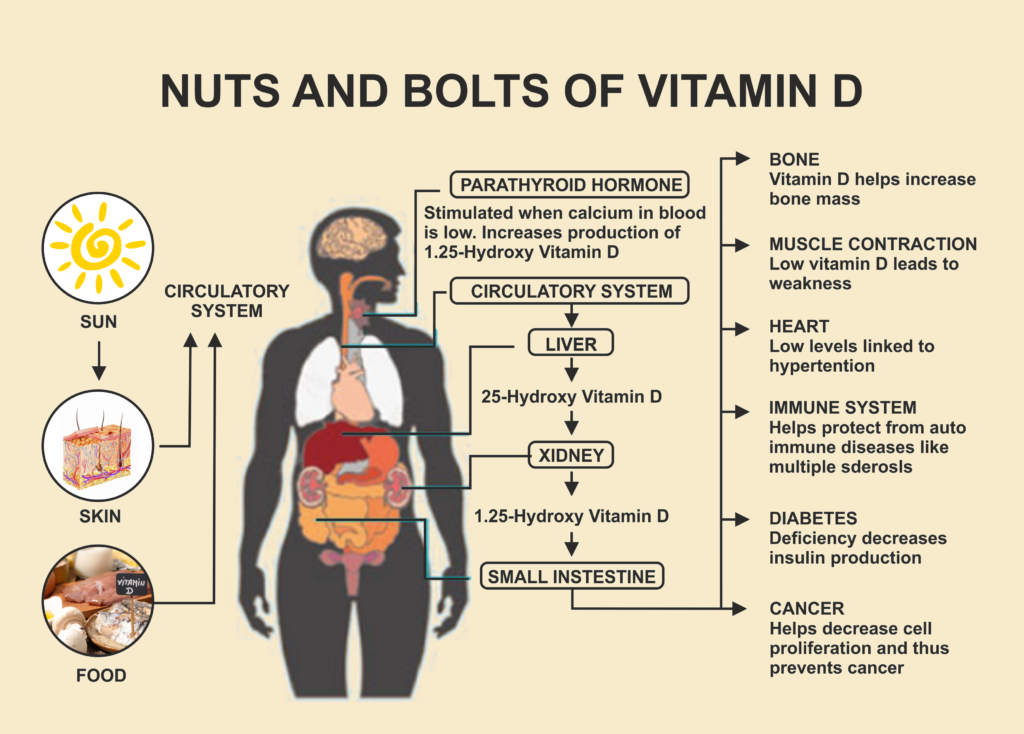
Vitamin D Basics
Vitamin D, often described as the “Sun Vitamin”, has hormone-like activity and is involved in many important functions within the body.
Vitamin D Receptors
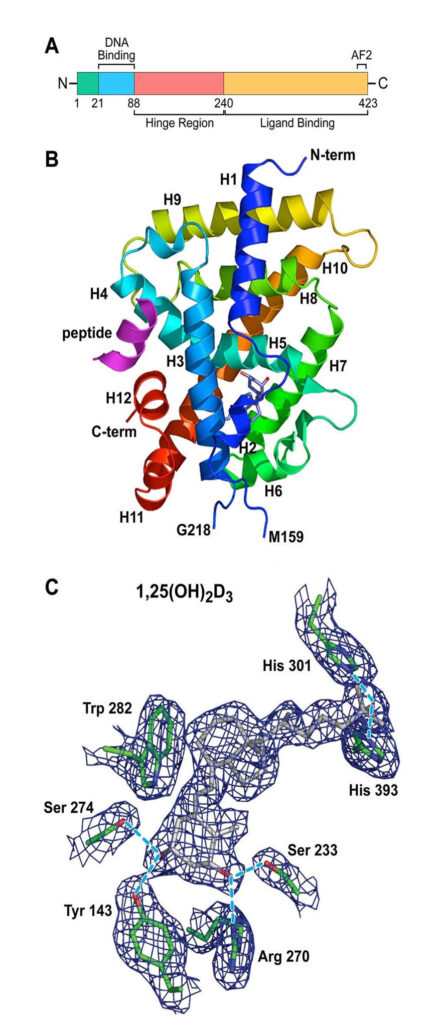
Vitamin D receptors, also known as VDR, are found across many tissues and important organs throughout the body. They allow Vitamin D signals to influence cellular processes.
Vitamin D receptors are widely distributed throughout the body's tissues and organs.
These receptors enable cells to respond to Vitamin D signals.
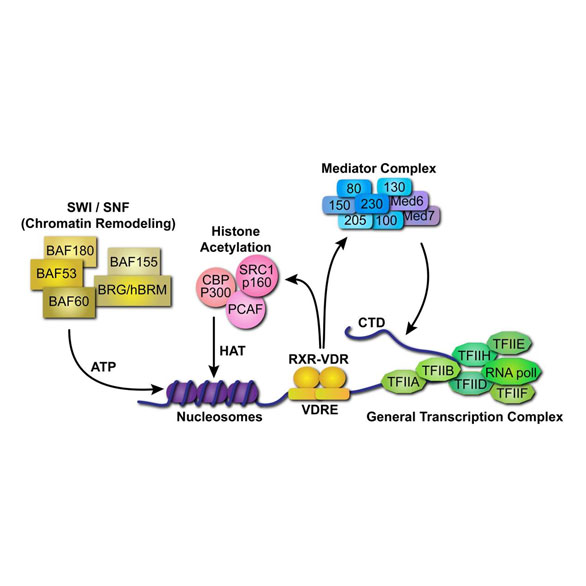
Vitamin D receptor signalling is involved in regulating functions across different tissues.
Vitamin D & Health
Vitamin D deficiency has been studied in connection with a range of health conditions. Research has explored its possible relationship with several systems and functions throughout the body.
Vitamin D Awareness
Vitamin D plays an important role in normal body functions. Understanding Vitamin D status and maintaining appropriate levels can be an important part of overall health. Individual requirements can vary, so testing and professional medical advice may be appropriate when deficiency is suspected.